
The Four Holy Tides
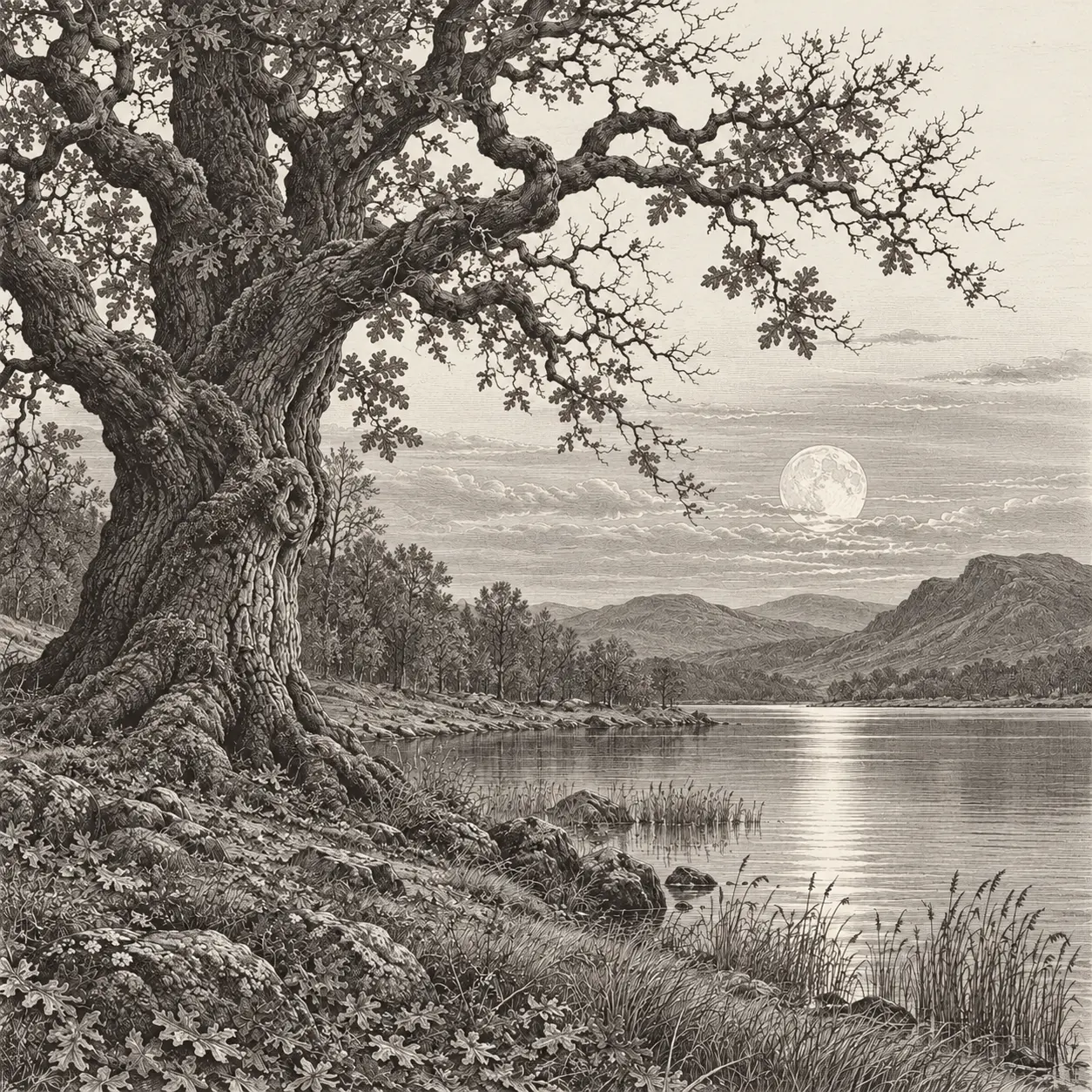
The Holy Tides
Fyrnsegen does not understand the religious year as a wheel of evenly spaced festivals. The holy tides are not interchangeable markers placed at convenient intervals; each belongs to a particular station and carries the meaning of that station with it.
Géol, Éostre, Midsumor, and Winterfylleð stand at the principal turns of the Fyrnsegen year. They are related, but they are not repetitions of one seasonal idea in different dress; each possesses its own character, religious associations, and place within the movement of Sun, Moon, and season.
The old calendar also preserves named months that do not necessarily imply corresponding public feasts. Fyrnsegen does not assume that every month requires a major celebration, nor try to force the year into a modern pattern of regularly spaced festivals. The surviving evidence is uneven; our observance is allowed to remain uneven as well.
Sacred time acquires shape through difference. Some tides gather greater weight than others; repeated over years, their return gathers worship, memory, custom, and communal expectation around particular moments.
The year turns whether we notice it or not.
Sacred time teaches us to notice where we stand within it.
Four Stations
Fyrnsegen understands the four principal holy tides through the course of a single day: Géol is the year’s midnight, Éostre its dawn, Midsumor its noon, and Winterfylleð its dusk. At each gathering, the folk thank the gods for the help already received and seek their favour for the life and work ahead.
Géol
Géol marks the winter turning, when the Sun begins its return towards greater light. Like midnight, it holds the beginning of that return while darkness still prevails; the household has much of winter yet to endure. Its worship joins gratitude for renewed increase with concern for those who must live through the remaining cold. Looking towards Éostre, the folk ask for the provision, health, and strength with which to reach the opening of spring.
Éostre
Éostre is the year’s dawn. In the Fyrnsegen reckoning, the full Moon of Éosturmónað opens Wide Sumor, the summer half of the year. The folk give thanks for what has survived the winter and for the help that has brought them to this opening. Attention turns towards growing things and the work that lengthening days make possible; with Midsumor ahead, they seek favour to tend what has begun and strength to make good use of the season.
Midsumor
Midsumor is the year’s noon, when the Sun reaches its greatest height and begins its decline. Warmth and growth continue beyond this turning, and much remains to be done before their fruits can be gathered. The tide brings gratitude for the fullness of the season together with care for its outcome. Looking towards Winterfylleð, the folk ask that growth reach a good yield and that the work of summer provide what their households will need.
Winterfylleð
Winterfylleð is the year’s dusk. Its full Moon opens Wide Winter, turning attention towards shelter, provision, and the care of those who depend upon the household. The folk give thanks for what has been gathered; the coming darkness asks how well it will be kept and shared. With Géol ahead, they seek the gods’ favour for sound homes, lasting stores, and the endurance of their people through the darker part of the year.
The care expressed at these gatherings continues in the work between them. The Gerímbóc and the Seasons explores the reckoning and keeping of the year; Gods Within Bounds examines more fully how seasonal worship joins gratitude, divine assistance, and the life the folk undertake together.