
What Is Thew?
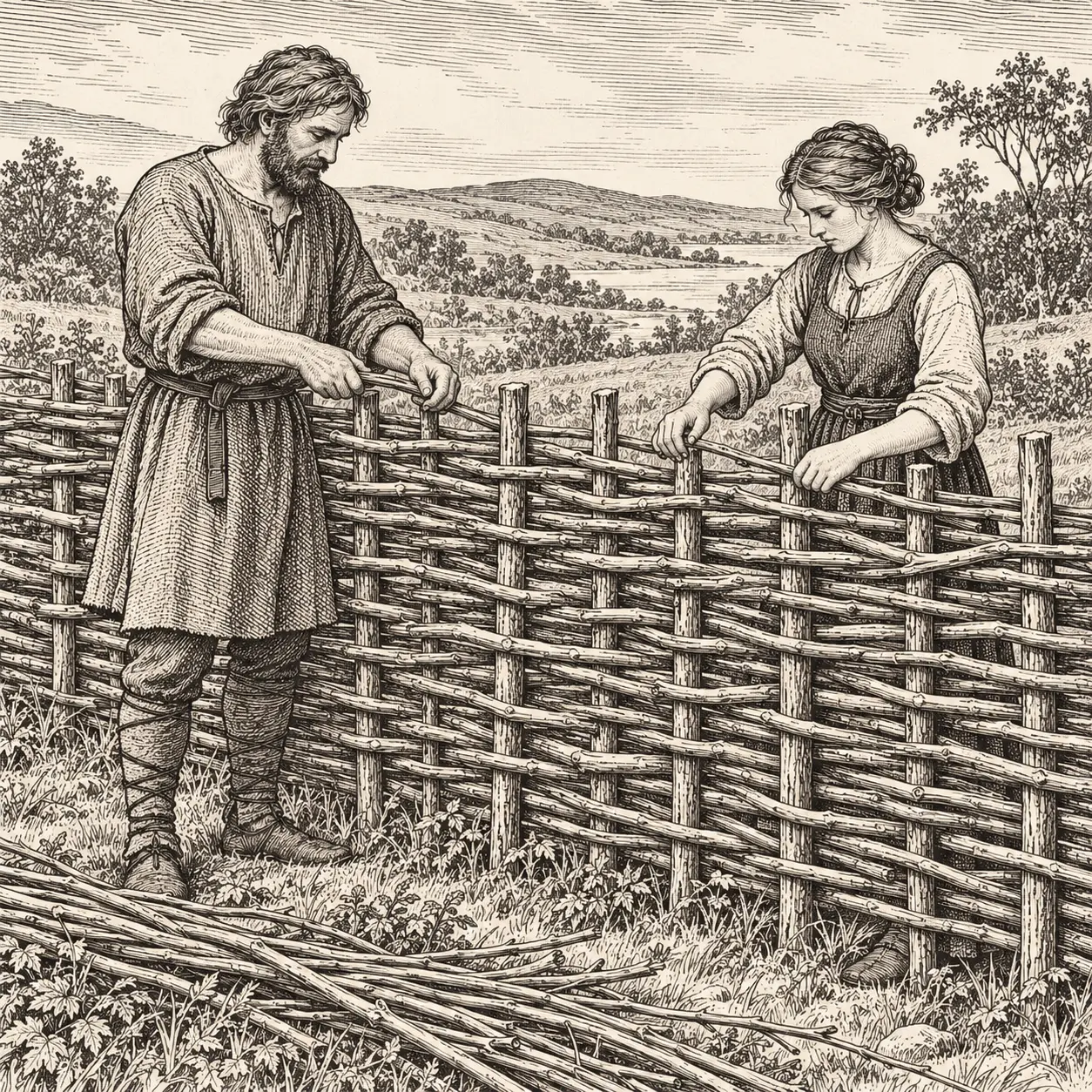
Thew is the connection between a people’s customary ways and the conduct of those who practise them. The Old English þēaw can refer to communal custom, religious observance, personal habit, or a manner of behaving. Its breadth matters: the word does not supply a fixed list of virtues. It directs attention to how a way of life is learned, repeated, and carried in people’s actions.
Much of that learning happens before anyone explains it. A household teaches through the way it receives visitors, answers disagreement, keeps promises, and makes good an injury. A cynn teaches through the preparation of worship, the handling of common resources, and the conduct it permits in its officers. Repetition develops both ability and expectation; people learn what they can do and what they can reasonably rely upon others to do.
Custom therefore needs judgement. A community can become practised in generosity and fair dealing, but it can also grow accustomed to favouritism or concealment. Age and familiarity do not settle whether a practice is right. In Fyrnsegen, inherited ways remain answerable to riht: whether conduct fits the actual relation and the claims within it. A sound custom helps people meet those claims; a crooked one may need correction even when it feels entirely normal.
Character develops through this ordinary work. Careful speech, dependable service, and the willingness to repair a wrong become more possible as they are practised. Expectations must also take account of people’s circumstances and capacities; illness, age, resources, and responsibilities affect what someone can reasonably undertake. The useful question is what a person’s conduct has made them able and likely to do.
Change remains possible. Different deeds can establish better habits, though trust may take longer to return. The resolve to improve does not erase earlier consequences or oblige another person to renew a relationship immediately. Thew grows through sustained practice, and amendment must acquire a history of its own.
Adapted from Brian Smith · Cynemund, We Are Our Deeds: The Elder Heathenry, Its Ethic and Thew, third edition; chapter six, “The Germanic View of Custom” and “The Þéawas”.