
Gift and Obligation
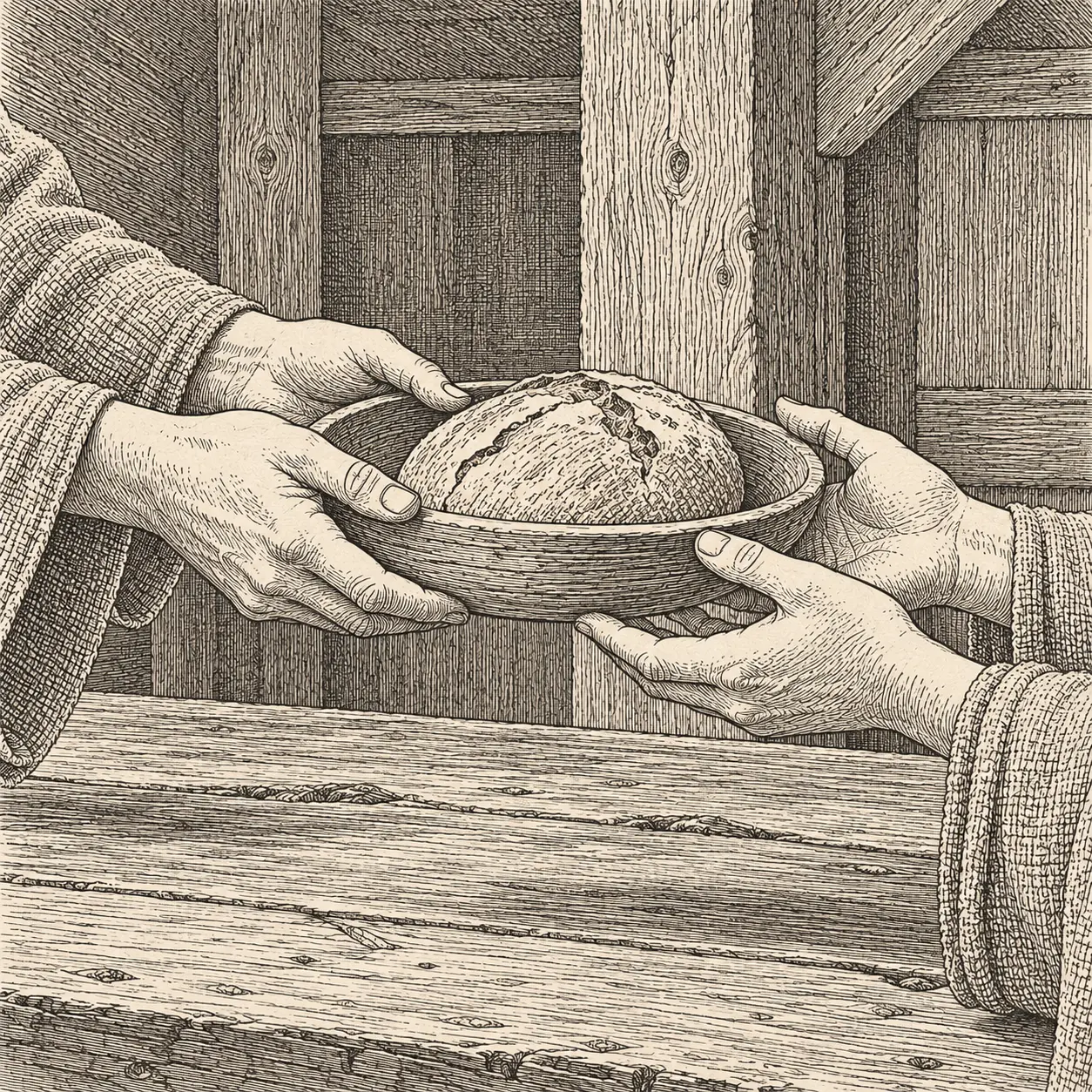
Giving can begin a relationship, sustain one, or acknowledge what another person has done. Its meaning depends on the occasion and on what those involved understand themselves to be doing. A meal offered to a traveller, a present between friends, payment for work, and compensation for injury involve different claims, even when each takes the form of something passing from one hand to another.
A gift may invite a return without fixing its price or date. Among friends, a fitting response might be hospitality, practical help, counsel, remembrance, or care when circumstances change. The relationship has a history longer than a single exchange. Illness, grief, poverty, and the work of caring for others can make contributions unequal for a time; mutual regard does not require a running account of equal payments.
The terms of giving should nevertheless be honest. Someone receiving a gift ought to understand any commitment attached to it and have room to decline. Generosity becomes coercive when an unspoken condition is revealed only after acceptance, or when a public presentation makes refusal humiliating. A gift from someone with authority deserves particular care, since dependence can make an apparent choice difficult to refuse.
Hospitality and aid need not create a lasting debt. Feeding someone who is hungry may simply answer the need before the host. Help can deserve gratitude without giving the helper control over the recipient’s future choices. Likewise, bōt, the making good of a wrong, answers an existing liability; completing an agreed settlement should not leave the injured party or the person making amends bound to an endless claim.
Within a hearth or cynn, reciprocity is best understood through the relationship being maintained. It asks whether people acknowledge one another’s work, carry the responsibilities they have accepted, and give within their means. A generous gift cannot excuse an unjust demand, and a modest contribution can matter greatly. Friendship endures through the wider pattern: presence, fidelity, respected limits, and a willingness to repair what has gone wrong.
Adapted from Brian Smith · Cynemund, We Are Our Deeds: The Elder Heathenry, Its Ethic and Thew, third edition; chapter seven, “Gift, Reciprocity, and Friendship”.