
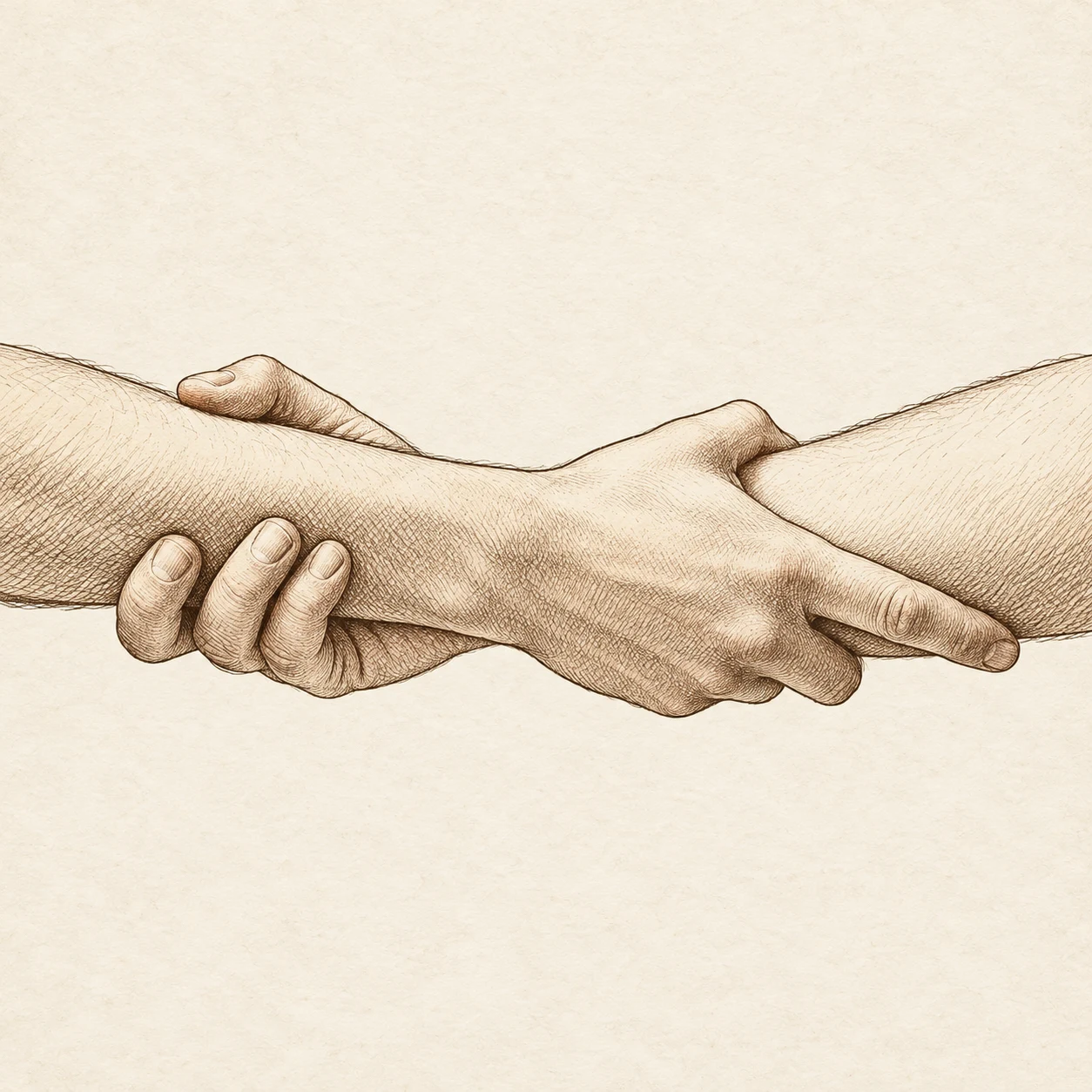
Fyrnsegen is a tradition bound together by a shared history and a language of praxis; our belonging takes form in the things we do together, the spaces we establish, and the holy tides by which we order our religious lives. Within that shared life, there can be considerable differences in theological understanding. We describe this relationship as orthopraxic heterodoxy: a common commitment to religious practice within which differing understandings have room to develop.
Our rites provide a language through which we approach the gods, honour the dead, and maintain the relationships entrusted to our care. We recognise the bounds of sacred space, observe the holy tides, and acknowledge that access has conditions; particular relationships, places, times, and responsibilities govern our approach. These shared foundations allow our rituals to remain mutually intelligible even where the theological principles informing them differ.
Between the cynnas, we exchange ideas, interpretations, and the understanding gained through practice. This exchange gives us opportunities to learn from one another without requiring us to dictate belief or impose a common explanation upon every religious experience. A theological understanding developed within one cynn may illuminate the work of another; it may also arise from circumstances and relationships particular to the people among whom it developed.
This room for difference exists by design. We believe that the land a people inhabits has a real effect upon the religion they practise and upon the ways in which the gods reveal themselves to them. The seasons, waters, soils, and living things of a place enter into the religious life sustained there; so too do the histories of its inhabitants and the obligations formed through dwelling upon it. A tradition practised in different lands will acquire understandings particular to those lands.
The cynnas worship the gods as a whole, each in their own manner; within that worship, their particular éadgiefa, or luck-givers, profoundly influence the understanding each cynn develops. The relationships through which a people receives favour, sustenance, and good fortune give particular weight to certain divine qualities and activities. Over time, these relationships shape the cynn’s religious life and its understanding of the gods more broadly.
We regard this diversity as a good thing. The gods inhabit places just as we do; they have their own personalities and enter into particular relationships with the people who approach them. A god may reveal themselves to one people in a manner different from that known to another. Each encounter belongs to a relationship, and what is disclosed within it need not encompass everything that another people may come to know.
The mystery of a god cannot be exhausted; we are privy to the facets they choose to reveal to a people. What one cynn knows may deepen another’s understanding, while differences between them may remain meaningful and enduring. Our shared practice allows us to meet within those differences, exchange what we have learned, and honour the relationships through which that knowledge was given.